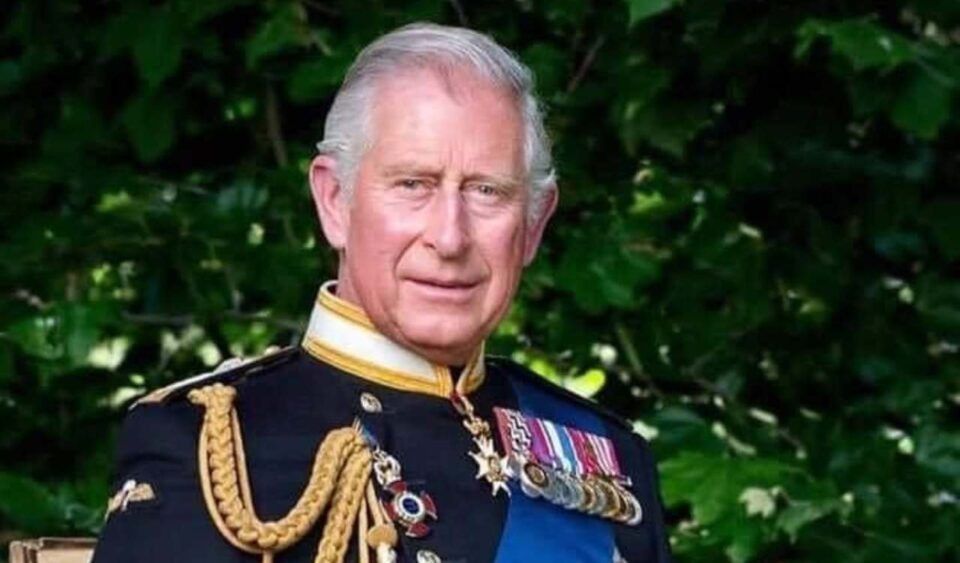
 L’8 Settembre 2022 Charles Philip Arthur George di Windsor è salito al trono del Regno Unito d’Inghilterra e dell’Irlanda del Nord, succedendo in linea diretta alla Madre, la compianta Regina Elisabetta II, assumendo il titolo reale di Carlo III. Il settantatreenne Nobile Inglese è stato l’erede al trono più longevo della storia d’Inghilterra: questo ha fatto sì che, nell’immaginario collettivo, si consolidasse molto più una sua rappresentazione di “eterno figlio della Regina”, elegante, colto ed esteta, che non di un futuro Monarca, quasi rassegnato all’abdicazione in favore del Principe William una volta che Elisabetta avesse compiuto il suo viaggio terreno.
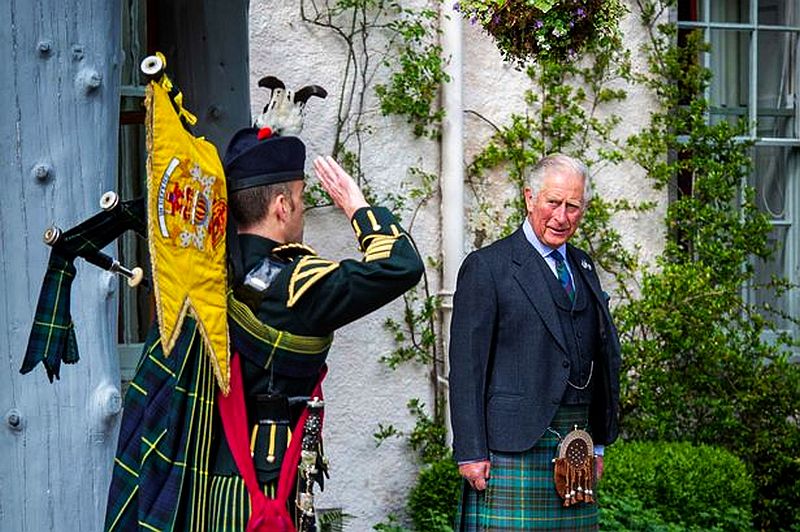 A lungo, e a tutt’oggi ancora per molti, la sua immagine è stata offuscata dalla forte mediaticità della sua prima moglie, la Principessa Diana Spencer, che dopo la sua tragica scomparsa ha continuato ad essere presente, come ingombrante termine di paragone, tra le persone e le cose della Corona d’Inghilterra negli ultimi quarant’anni. Una missione non facile, quella di Carlo, di affrancarsi dai luoghi comuni e di ritagliarsi un ruolo ed un’identità nella famiglia Windsor, originata dagli Hannover, diretti discendenti dei Welfen, nome poi latinizzato in Guelfi, di Germania. Una missione, in realtà, compiuta in modo eccellente.
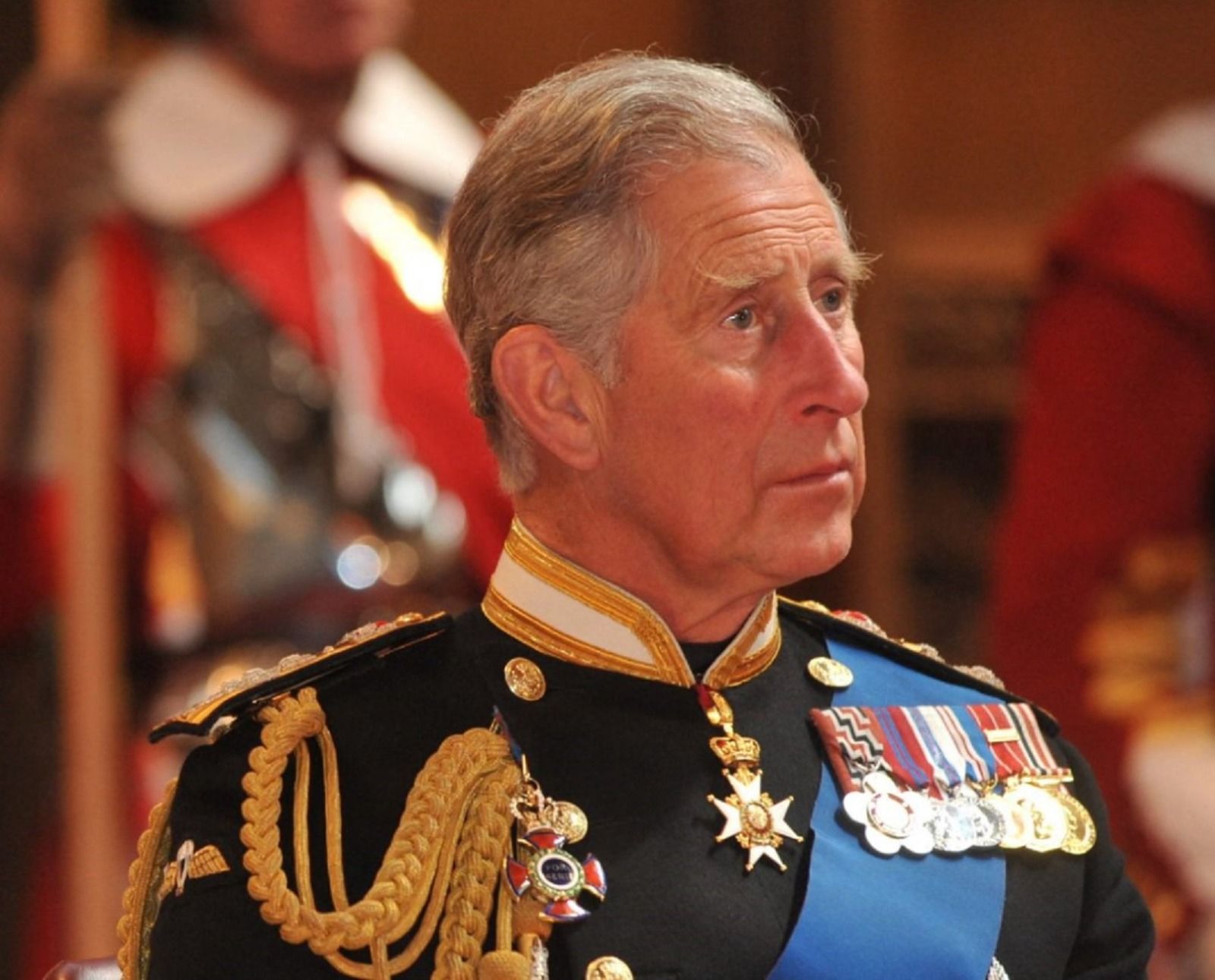 Carlo ha avuto 70 anni per studiare e prepararsi a diventare Re, ed il suo curriculum in questi anni è stato estremamente ricco, distinguendosi nell’attività militare e ricoprendo circa 560 incarichi ufficiali in rappresentanza della Famiglia Reale. Si è occupato di filantropia e di opere caritatevoli, fondando nel 1976 il The Prince’s Trust; si è occupato di architettura e di pianificazione urbanistica, tramite il The Prince’s Regeneration Trust e il The Prince’s Foundation for the Built Environment; si è inoltre impegnato a in attività a sostegno dello sviluppo di medicina alternativa e in concreti aiuti umanitari a sostegno delle popolazioni più povere o discriminate per motivi razziali, come ampiamente e costantemente documentato dalla stampa internazionale. Ma l’attività che forse Carlo ha seguito con impegno più visibile e costante è stata quella a sostegno dell’ambiente e dello sfruttamento sostenibile delle ricchezze che la natura ci mette a disposizione: alcuni possono avere ironicamente sorriso quando, sin dagli anni ’80, l’allora Principe Carlo iniziò a dedicarsi all’agricoltura biologica nel giardino della sua residenza di Highgrove House; un’ironia che si trasformò in ammirazione quando nel 1990 trasformò questa sua vocazione in una florida e profittevole azienda commerciale che fa della biodiversità un valore aggiunto apprezzato in tutto il mondo. Successivamente Carlo è stato coinvolto in numerosi progetti di sviluppo imprenditoriale in ambito agricolo, autore di libri e monografie, fondatore di un programma di sostegno a favore degli allevatori di pecore inglesi. Ben prima del celebre discorso al Parlamento Europe del 2008, sull’urgenza di porre soluzioni concrete ai cambiamenti climatici, l’impegno di Carlo per la tutela dell’ambiente è stato costante: nel 2006, il Direttore della Harvard Medical School’s Center for Health and the Global Environment, così motivò il premio Global Environmental Citizen Award conferito a Carlo: “Per decenni il principe di Galles è stato un campione del mondo naturale… È stato uno dei leader mondiali a portare sempre più sforzi verso l’efficienza energetica e a ridurre lo scarico di sostanze tossiche sul terreno, nell’aria e negli oceani”.
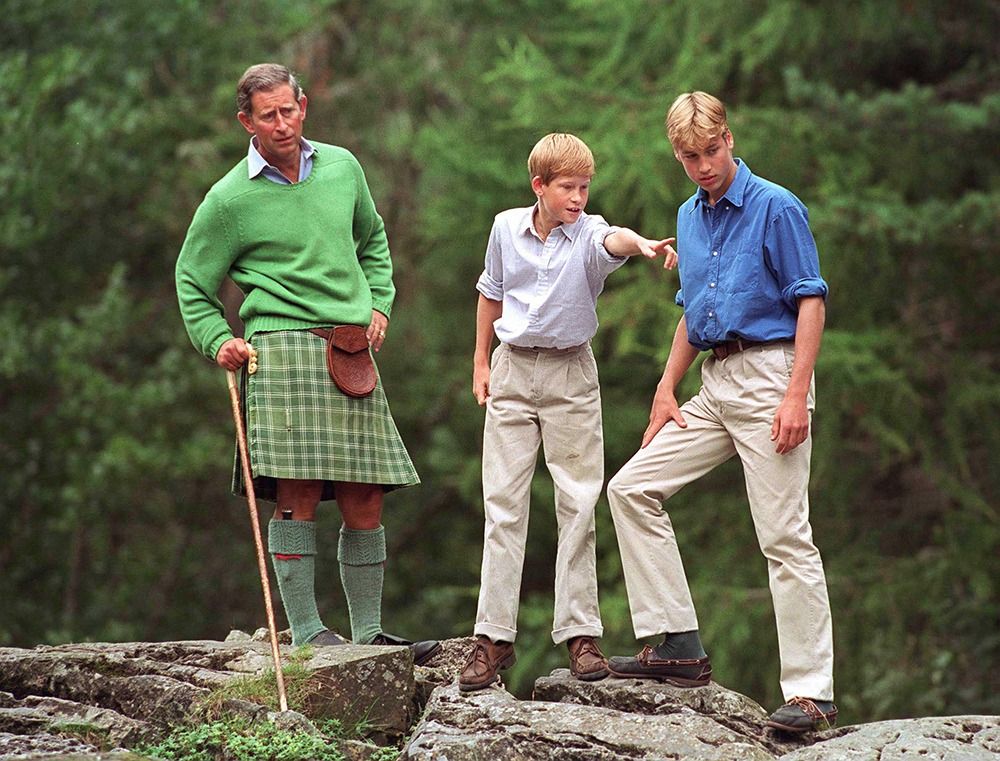
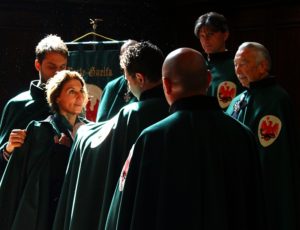
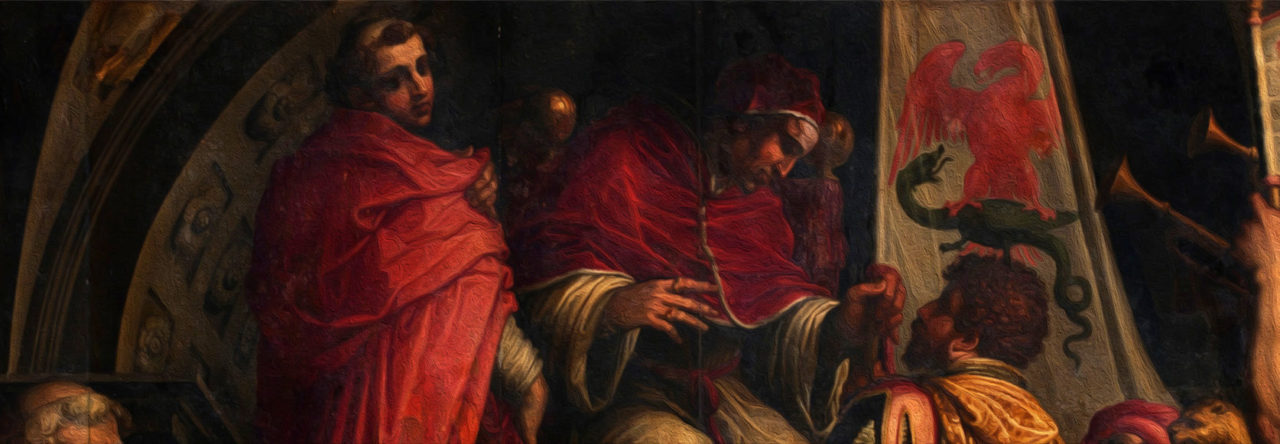
L’Ordine di Parte Guelfa omaggia ed onora l’ascesa al trono d’Inghilterra di una personalità con una visione così attuale e concreta del benessere collettivo, degno Erede della casata Guelfa a cui umilmente anche noi ci riferiamo, per la benigna investitura di papa Clemente IV e per volontà politica del Granduca Cosimo I dei Medici, nel nostro impegno quotidiano in difesa e protezione dell’ambiente, dei più deboli e della bellezza del Creato.
Lunga vita a Re Carlo III!
Autore
Marco Crisci